
In the rapidly evolving landscape of artificial intelligence, agentic AI stands out as a transformative force. These autonomous systems, often referred to as AI agents, are designed to plan, execute tasks, and make decisions with minimal human intervention. Unlike traditional AI tools that merely respond to user inputs, agentic AI proactively pursues objectives, adapts to changing environments, and integrates with various tools and systems. This shift from reactive to proactive intelligence is reshaping industries, sparking debates on reliability, ethical implications, and its broader societal impact. As enterprises increasingly adopt these technologies, understanding agentic AI’s capabilities, challenges, and potential becomes essential for businesses, policymakers, and workers alike.
Defining Agentic AI: Core Concepts and Key Features
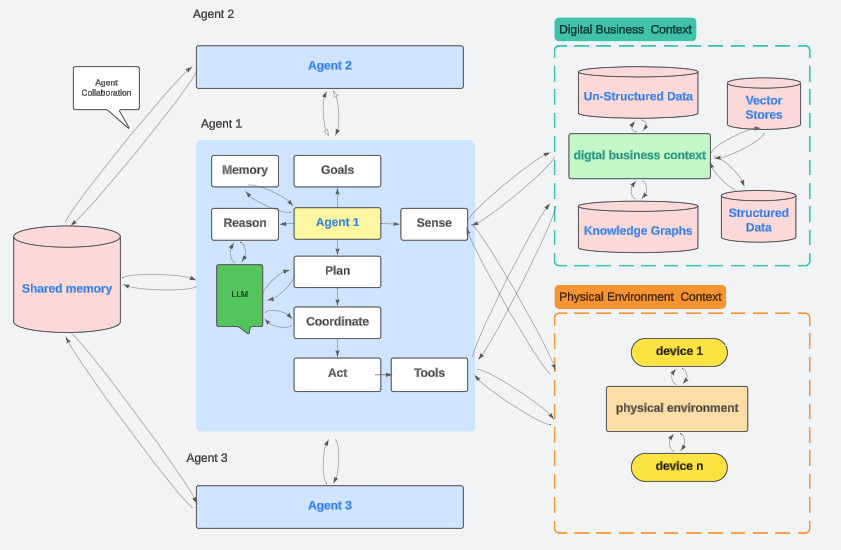
Agentic AI represents a sophisticated evolution of AI systems, built primarily on large language models (LLMs) but enhanced with agency—the ability to act independently toward achieving goals. According to IBM, agentic AI is an artificial intelligence system that accomplishes specific objectives with limited supervision, consisting of AI agents powered by machine learning algorithms. AWS defines it as an autonomous system that acts independently to achieve pre-determined goals, contrasting with traditional software that follows rigid rules.
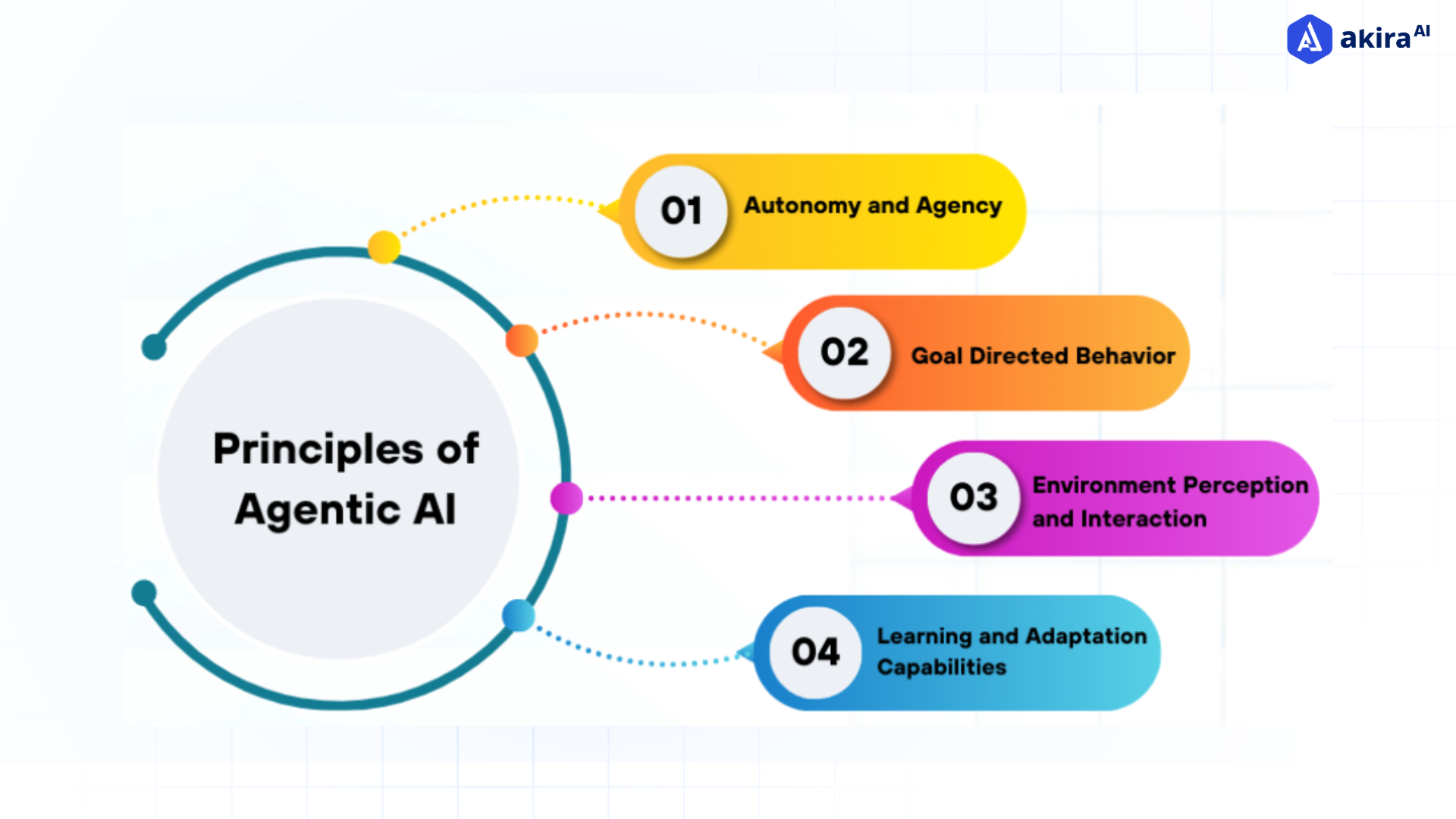
Key features that distinguish agentic AI include:
- Autonomy: Agents operate without constant human oversight, making decisions based on internal reasoning and external data.
- Planning and Reasoning: They break down complex goals into manageable steps, using iterative processes to refine approaches. NVIDIA highlights how agentic AI employs sophisticated reasoning for multi-step problem-solving.
- Tool Integration: Agents interact with external resources like APIs, databases, or even physical devices to execute actions.
- Learning and Adaptation: Through interactions, they improve over time, learning from successes and failures. Automation Anywhere notes that agentic AI continually learns from interactions, enabling better decision-making.
- Multi-Agent Collaboration: In advanced setups, multiple specialized agents work together, simulating team dynamics.
These features enable agentic AI to handle tasks ranging from simple automation to intricate workflows. For instance, UiPath describes agentic AI as combining multiple AI types for planning, acting, learning, and improving. Salesforce emphasizes autonomy, allowing tasks without step-by-step guidance.
How Agentic AI Operates: A Deeper Dive
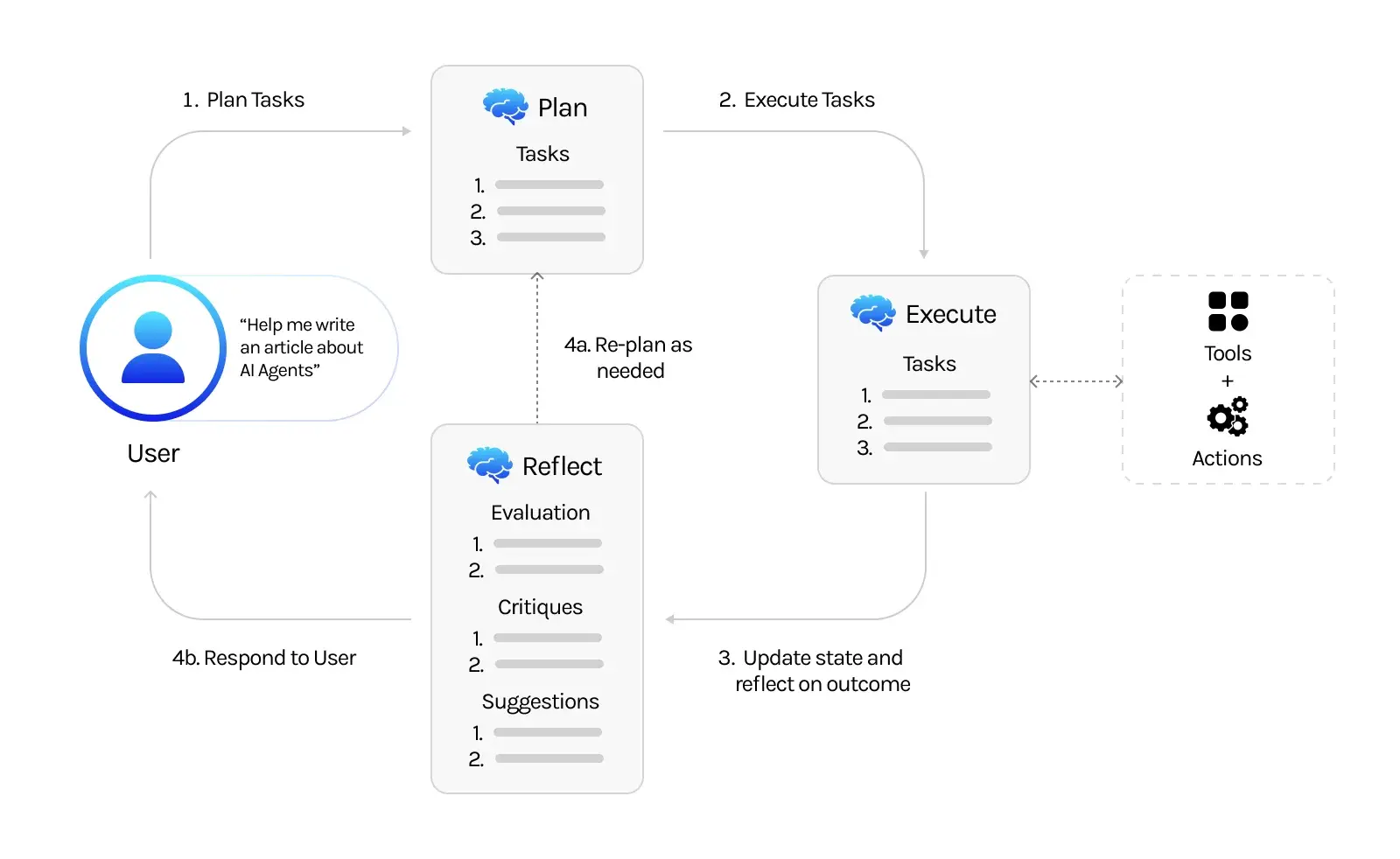
At its core, agentic AI follows a cycle of observation, planning, action, and reflection. It begins by perceiving its environment through data inputs, then formulates a plan using reasoning engines. Execution involves calling tools or APIs, followed by evaluating outcomes to iterate if needed. This loop allows for handling unpredictable scenarios.
Types of AI agents vary by complexity:
- Reactive Agents: Respond to immediate stimuli without memory.
- Model-Based Agents: Maintain internal models of the world for better prediction.
- Goal-Based Agents: Pursue specific objectives.
- Utility-Based Agents: Optimize for the best outcomes based on preferences.
- Learning Agents: Adapt through experience.
Workday outlines these types, noting agentic AI’s high autonomy in reasoning and acting. Gravitee.io provides context on how agentic AI operates autonomously in decision-making and execution.


Enterprise Adoption: Real-World Examples and Trends
Enterprises are embracing agentic AI for its potential to streamline operations and drive efficiency. Boomi lists 10 use cases across industries, from healthcare patient monitoring to banking fraud detection. Quixy highlights real-world examples like transforming workflows in various sectors.
Specific applications include:
- Customer Service: Agents handle queries end-to-end, resolving issues autonomously.
- Sales and Marketing: ThoughtSpot notes sales teams using agents to speed up lead conversion.
- Security: Detecting threats in real-time.
- Development: Accelerating code shipping.
- Healthcare: Pellera Technologies mentions patient care and drug discovery.
- Finance: McKinsey reports agents extracting complex financial information.
Companies like Fujitsu automate sales proposals, while BCG discusses how agentic AI transforms enterprise platforms. Reddit discussions point to real estate integrations between CRMs and ERPs. Exabeam provides cybersecurity use cases.

Adoption rates are climbing, with McKinsey noting successful deployments requiring careful planning. Deloitte emphasizes preparing for a silicon-based workforce.
Reliability Challenges: Hurdles and Practical Solutions
Despite promise, reliability remains a concern. Edstellar warns of errors, biases, and security risks without safeguards. Modgility identifies incomplete data as a key issue, suggesting comprehensive security architectures.
Common challenges:
- Hallucinations and Errors: Agents may generate inaccurate outputs.
- Bias and Fairness: Inherited from training data.
- Security Vulnerabilities: Unauthorized access risks.
- Scalability Issues: Handling complex, multi-agent systems.
Sendbird lists 10 failure modes, including practical strategies for mitigation. Kognitos highlights lack of process and oversight leading to faltering adoption. Confluent stresses resolving reliability, privacy, and governance.
Solutions involve:
- Robust Governance: Human-in-the-loop for critical decisions.
- Testing and Observability: Monitoring agent behaviors.
- Data Quality Management: Ensuring high-quality inputs.
- Integration Strategies: Tek Leaders advises overcoming compatibility issues with legacy systems.
Kanerika recommends reducing risks through failure mode analysis. CTO Academy provides case studies on mitigation.
![AI Agents: Reliability Challenges & Proven Solutions [2025]](https://cdn.prod.website-files.com/6484144ee6dda9d4b9ab7f57/685bcbf46ed1f52cafd4ea16_The%20Challenges%20of%20Reliability%20and%20Trust%20in%20AI%20Agents.webp)
Impact on Jobs and the Workforce: Opportunities and Disruptions
Agentic AI’s rise prompts debates on employment. Salesforce suggests roles with routine tasks may diminish, but human-AI partnerships will emerge. Harvard Business Review notes digital labor expanding workforce definitions.
Positive impacts include:
- Augmentation: Freeing humans for creative work.
- New Roles: Agent managers, ethicists, and trainers.
- Productivity Gains: Legion discusses workforce management optimization.
Concerns involve displacement in administrative and data entry jobs. Deloitte predicts 15% of work decisions autonomous by 2028. McKinsey emphasizes organizational change for hybrid workforces. Kyndryl stresses people readiness.
DXC Technology cites surveys showing mixed worker sentiments: helpful yet fear-inducing. Economist Impact explores cultural shifts. Equal Times notes industrial adoption accelerating changes.
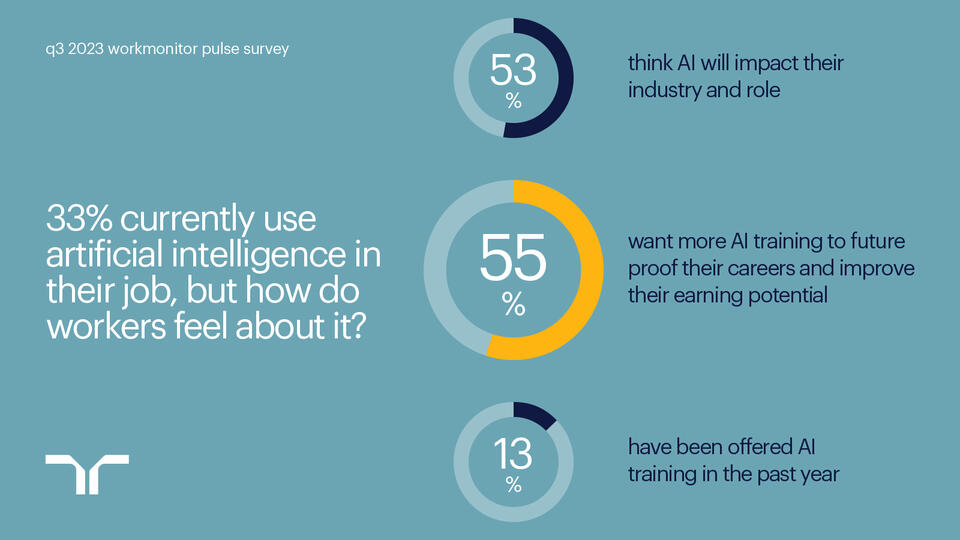

Reskilling is key, with demand for AI-fluent workers surging.
Ethical Considerations: Navigating Moral and Societal Implications
Ethical dilemmas abound in agentic AI. ProcessMaker highlights transparency in decision-making as a major challenge. IBM advocates for human evaluation and constraining actions.
Key issues:
- Bias and Discrimination: Amplified from data sources.
- Transparency and Explainability: Black-box decisions erode trust.
- Privacy and Autonomy: Risks to data security and human oversight.
- Accountability: Who is liable for agent actions?
Rezolve.ai details risks like loss of oversight. Lucinity focuses on AML compliance ethics. LexisNexis warns of inherited biases.
Solutions include ethical frameworks, audits, and regulations. Medium articles stress addressing bias and privacy. Lathrop GPM discusses liability for developers. TechTarget outlines navigation strategies. Arion Research presents real-world scenarios. ACR Journal calls for multidimensional strategies.
Future Outlook: Trends and Predictions
Looking ahead, agentic AI is poised for exponential growth. IBM notes agents learning from user behavior for adaptability. Fortune reflects on its prominence. Cisco predicts 68% of customer interactions handled by agents by 2028.
Google Cloud estimates a $1T market for services. Microsoft shares deployment insights. NVIDIA advocates small language models for efficiency. BCG envisions AI-orchestrated enterprises.


Integration with robotics and IoT will expand applications, but balanced governance is crucial.
Conclusion: Embracing Agentic AI Responsibly
Agentic AI marks a pivotal advancement, offering unprecedented autonomy and efficiency. From enterprise transformations to workforce evolutions, its influence is profound. However, addressing reliability, ethical concerns, and job impacts is vital for sustainable progress. By fostering responsible development, we can harness agentic AI to augment human potential, creating a future where technology and humanity collaborate seamlessly. As adoption accelerates, staying informed and adaptive will be key to thriving in this agentic era.